


You know blogging can be valuable for your wedding planning business. Maybe you’ve even made it a goal to publish more consistently this year. But when you finally sit down to write, there’s one question that tends to get in the way: What should you actually blog about?
Understanding why blogging matters for your wedding business is one thing. Figuring out what to write about is another.
It’s easy to think of your blog as a place to share your latest weddings. And while real wedding features absolutely have a place in your marketing strategy, they’re only one piece of the puzzle.
A thoughtful wedding planning blog can help potential clients discover your business, understand your expertise, and get a better sense of what it would be like to work with you. The key is choosing topics that serve a purpose beyond simply having something new to publish.
So, if you’ve been wondering what to blog about as a wedding planner, let’s talk about where to start.
Your Portfolio and Your Blog Serve Different Purposes
First, let’s talk about the difference between your portfolio and your blog, because they’re not quite the same thing.
A portfolio is primarily visual. It gives prospective clients an opportunity to see your work, understand your aesthetic, and imagine what their own wedding might look like with you as their planner.
Your blog can do all of that, too, but it has the opportunity to offer something more.
Through thoughtful writing, you can explain the decisions behind a wedding design, share the logistical considerations of a particular venue, answer common planning questions, and demonstrate the expertise that isn’t always visible in a beautiful photograph.
Think about a wedding you planned at a venue where you’d love to work again.
Your portfolio might include a gallery of images highlighting the ceremony, reception, and design details. A blog post about that same wedding could discuss the venue’s unique features, how you approached the layout, what couples should consider when planning there, and the team of vendors who brought everything together.
Both are valuable, but they serve different purposes.
Your blog can do more than share the weddings you’ve planned. It can also help you connect with couples who haven’t found your business yet.
1. Real Weddings and Portfolio Features
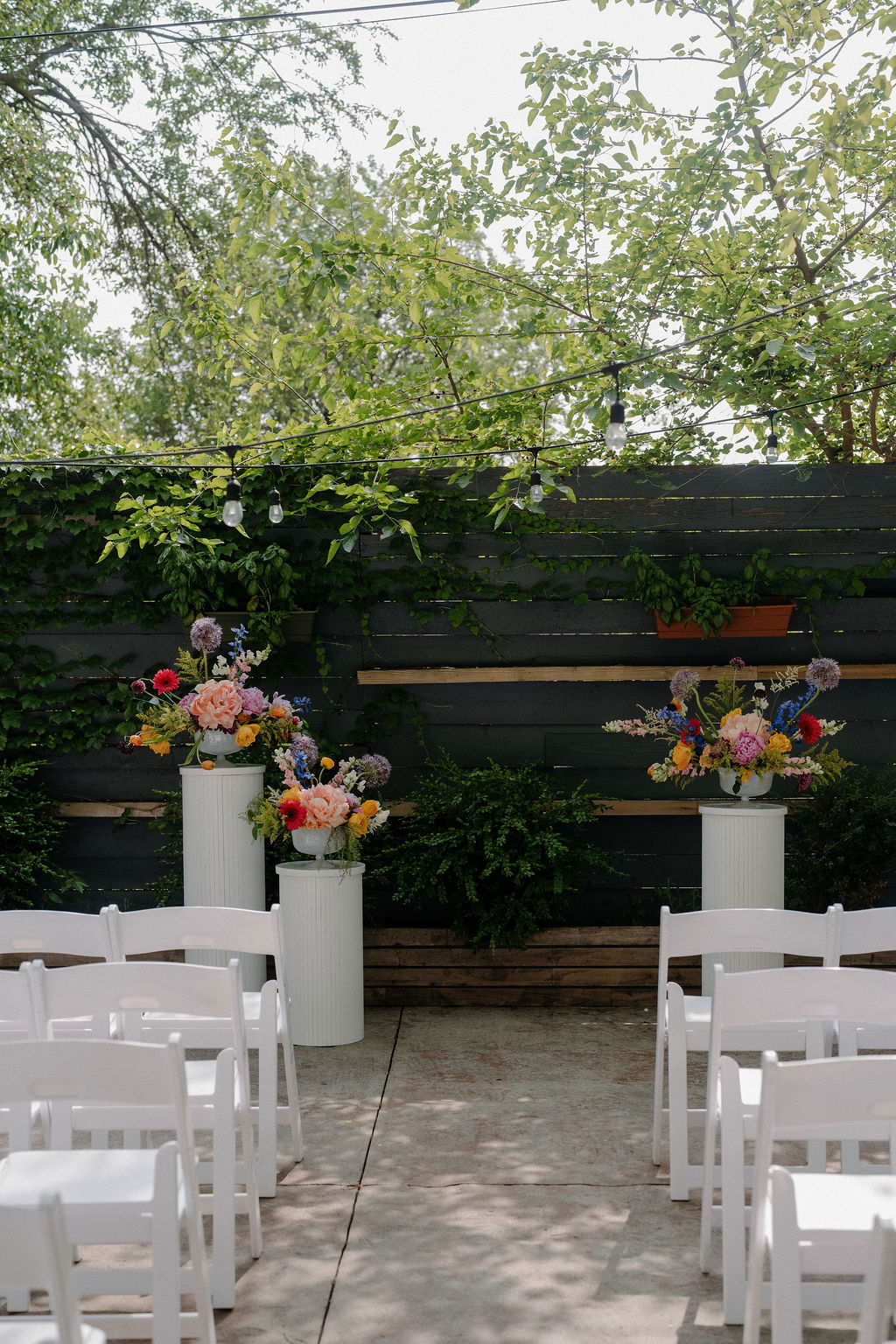
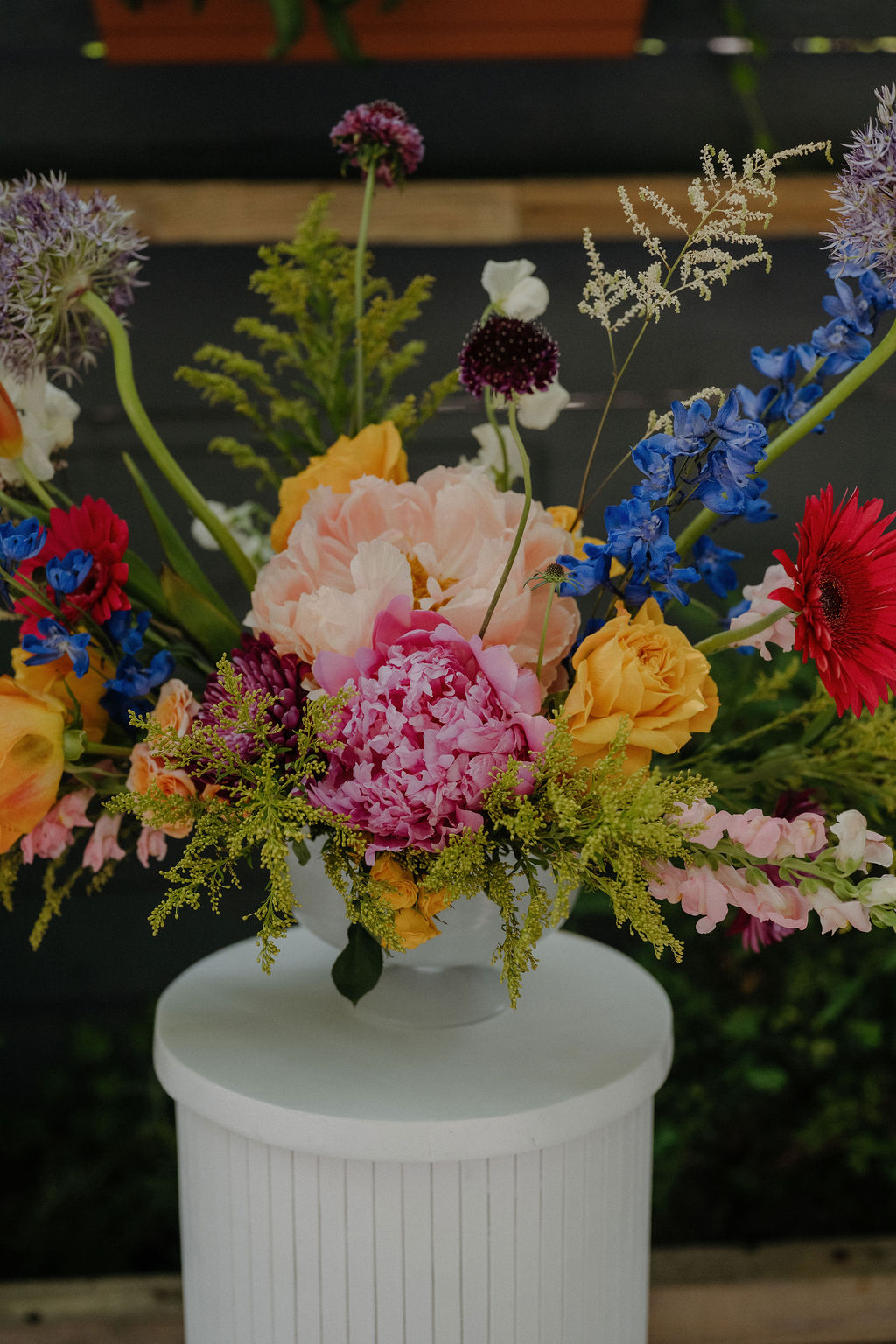
Real weddings are a natural starting point for wedding planners, and for good reason. You already have beautiful images, firsthand experience, and plenty of details to share.
But rather than treating every real wedding blog as a recap of the day, consider what makes each celebration particularly valuable to a prospective client.
Maybe you worked at a venue you’d love to book more frequently. Perhaps the couple incorporated an interesting design element, or your team navigated a challenging logistical situation that demonstrates your planning expertise.
Those details are what make a real wedding feature more useful.
For example, instead of simply writing about a beautiful summer wedding, you might focus on planning an outdoor ceremony at a specific venue, including the considerations that went into making the day successful.
You can still share the beautiful photographs and recognize the vendor team. You’re just giving readers more context along the way.
Blog ideas to consider:
- A Real Wedding at [Venue Name] in [City]
- Planning an Outdoor Wedding at [Venue Name]
- Behind the Design of a Garden-Inspired Wedding
- How We Transformed [Venue Name] for an Intimate Reception
These posts can support your portfolio while creating opportunities to incorporate relevant venue names, locations, and planning-related search terms naturally.
2. Wedding Planning Advice and Educational Content
Think about the questions you answer over and over again during consultations or throughout the planning process.
Those questions are excellent starting points for blog content.
Couples are searching for wedding planning information long before they’re ready to inquire with a planner. By answering their questions, you have an opportunity to introduce your business while demonstrating the knowledge and experience you bring to the table.
And no, sharing helpful advice doesn’t mean you’re giving away all your expertise for free.
There’s a big difference between understanding what goes into planning a wedding and having the time, resources, and experience to execute it successfully.
Educational content helps potential clients recognize that difference.
Blog ideas to consider:
- When Should You Hire a Wedding Planner?
- Wedding Planner vs. Venue Coordinator: What’s the Difference?
- How to Create a Realistic Wedding Planning Timeline
- What to Consider Before Choosing Your Wedding Venue
- Questions to Ask Before Hiring Your Wedding Vendors
You don’t need to answer every possible wedding planning question. Focus on the topics that relate to your services, reflect your experience, and would be genuinely helpful to the couples you want to work with.
3. Venue and Location-Specific Content
If there are particular venues, cities, or destinations where you’d like to book more weddings, your blog can help support that goal.
Venue-specific content is especially valuable because it connects your expertise with something prospective clients may already be searching for.
Imagine a newly engaged couple researching wedding venues in their city. They might not know your business exists yet, but they could discover you while looking for information about a venue they’re considering.
A helpful blog post can introduce them to your work before they’ve even started searching for a wedding planner.
The important thing is to make the content genuinely useful rather than simply repeating information from a venue’s website.
What do you know about the space from a planning perspective? Are there layout considerations, seasonal details, or logistical questions couples should think through?
Your firsthand experience is what makes the article valuable.
Blog ideas to consider:
- What to Know About Planning a Wedding at [Venue Name]
- Our Favorite Wedding Venues in [City]
- Planning a Tent Wedding in [Region]
- What to Consider When Planning a Destination Wedding in [Location]
You can also link to the venue’s website, recognize fellow wedding professionals, and connect readers to related real wedding features you’ve already published.
One thing worth remembering: you don’t need to write about every venue you’ve ever worked at. Prioritize the locations that align with the weddings you’d like to book in the future.
4. Behind-the-Scenes and Planning Process Content
Some of the most valuable work a wedding planner does happens long before guests arrive.
You’re managing communication, coordinating vendors, reviewing logistics, anticipating potential issues, and keeping countless details moving in the right direction.
Yet prospective clients don’t always understand everything that goes into that work.
Your blog gives you an opportunity to show them.
Behind-the-scenes content doesn’t have to mean sharing every detail of your internal process. Instead, think about the parts of your work that help couples understand the experience of hiring a professional planner.
You might explain how you develop a wedding timeline, what happens during a venue walkthrough, or how your team prepares for wedding weekend.
Blog ideas to consider:
- What Does a Wedding Planner Actually Do?
- How We Prepare for Wedding Weekend
- Why Your Wedding Day Timeline Matters
- What Happens During the Final Month of Wedding Planning
- How We Approach Wedding Design and Logistics
This type of content is particularly helpful when your services involve a significant investment.
Beautiful photographs can capture the final result, but explaining your process helps prospective clients understand the thought, organization, and experience behind it.
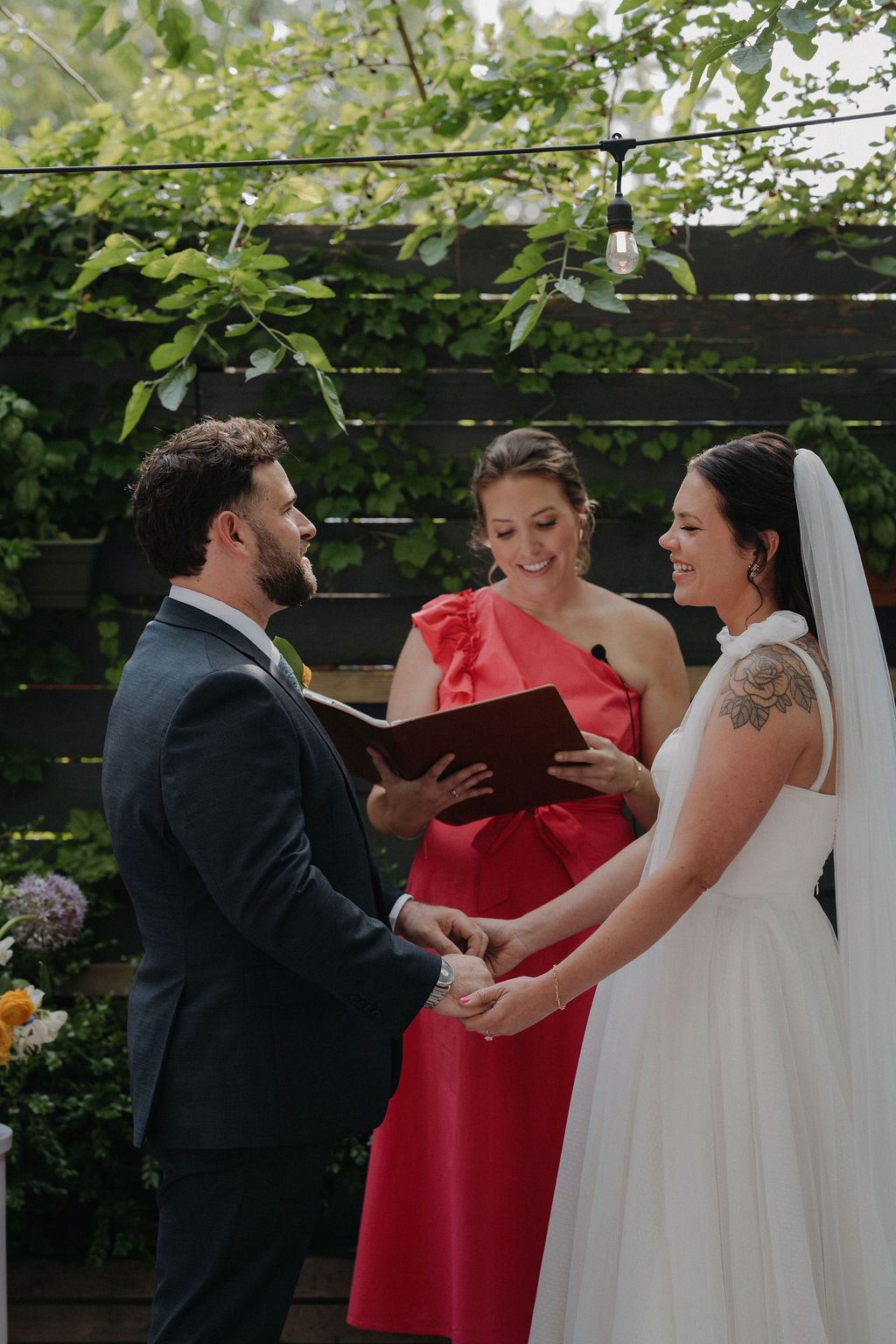
5. Seasonal and Timely Wedding Planning Topics
Seasonal content can also have a place in your wedding planning blog, especially when it addresses questions or challenges that come up at particular times of year.
For example, couples planning outdoor weddings may have questions about summer heat, unpredictable spring weather, or how early sunset times affect their fall wedding timeline.
These are practical considerations that give you an opportunity to share your expertise.
Blog ideas to consider:
- What to Consider When Planning a Fall Wedding
- How to Prepare for Rain on Your Wedding Day
- Planning an Outdoor Summer Wedding: What Couples Should Know
- How Seasonal Changes Affect Your Wedding Day Timeline
You can also write about wedding trends, but I wouldn’t build your entire blogging strategy around them.
Trends change quickly, and content that focuses exclusively on what’s popular right now may not remain relevant for very long.
A thoughtful mix of seasonal and evergreen topics gives your blog more opportunities to remain useful over time.
How to Choose the Right Blog Topics for Your Wedding Business
With so many potential topics to choose from, how do you decide what makes sense for your business? Because having a list of blog topics is helpful, but having a strategy behind that list is even better. Start by thinking about the business you’re trying to build.
Are there certain venues where you’d love to book more weddings? Do you want to attract more full-service planning clients? Are there questions that come up repeatedly during your consultations?
Your answers can help guide your content. I also recommend considering what someone might be searching for before they know about your business. A couple may not be searching for your company name, but they could be researching wedding planners in their area, looking for information about a particular venue, or trying to understand the difference between planning services.
Creating helpful content around those topics gives your website additional opportunities to appear in relevant search results. Google’s own guidance on creating helpful content reinforces the importance of writing for people first, rather than creating content solely to perform well in search results.
Of course, publishing a blog doesn’t guarantee you’ll rank on Google. Search visibility depends on a variety of factors, including competition, website performance, and the quality and relevance of your content. But consistently publishing useful, intentional articles can support your broader search engine optimization (SEO) efforts.
And remember, you don’t need to publish constantly. I would rather see a wedding planner publish one thoughtful, well-optimized blog each month than rush to publish something every week without a clear purpose. The goal isn’t to fill your website with content. It’s to create resources that support your business and continue providing value after you hit publish.


You Don’t Have to Do All the Blogging Yourself
Coming up with blog ideas is one thing. Finding the time to actually write them is another.
Between client meetings, vendor communication, wedding weekends, and everything else that goes into running your business, marketing can easily become one more thing on an already full to-do list.
Blogging involves more than putting words on a page.
There’s topic research, writing, search engine optimization, image selection, formatting, linking, and publishing. Each step takes time, especially when you’re trying to create content that serves a larger marketing strategy.
At Being Darcy, I help wedding professionals turn their expertise and existing content into thoughtful, strategic marketing. Through standalone blogging services and ongoing marketing support, I can help you create and publish content that reflects your business without adding another recurring task to your schedule.
If you’re ready for a more intentional approach to blogging, I’d love to help.
Photography: Aileen Elizabeth Photography